

Diabetes & Prediabetes
Nutrition Support
A practical, sustainable approach
to blood sugar balance
More than 37 million Americans live with diabetes, and another 96 million have prediabetes; many without realizing it. For most people, these diagnoses don’t come with clear guidance. Instead, they are given vague instructions, conflicting advice, or rigid rules that feel impossible to maintain.
At Turn Leaf Wellness, we believe managing blood sugar should feel supportive, practical, and empowering… not restrictive or overwhelming. With the right nutrition guidance, even small changes can lead to steadier energy, fewer crashes, improved labs, and a healthier relationship with food.

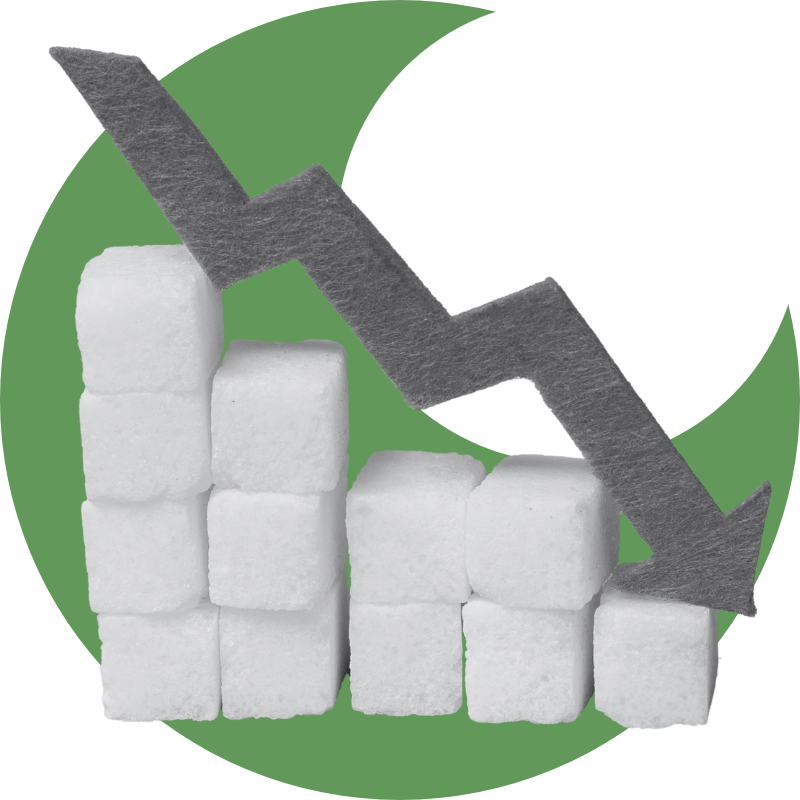
Frustrated by Blood Sugar management?
Many people with diabetes or prediabetes are:
Eating “healthy” foods but still seeing unstable numbers
Trying to follow contradictory nutrition advice
Skipping meals, then crashing later
Feeling guilt or anxiety around food choices
Burning out on plans that don’t fit real life
This isn’t about discipline or motivation.
Blood sugar challenges are rarely a matter of willpower.
They’re usually a support problem. That’s where personalized nutrition can make a meaningful difference.
Understanding Your Blood Sugar Numbers
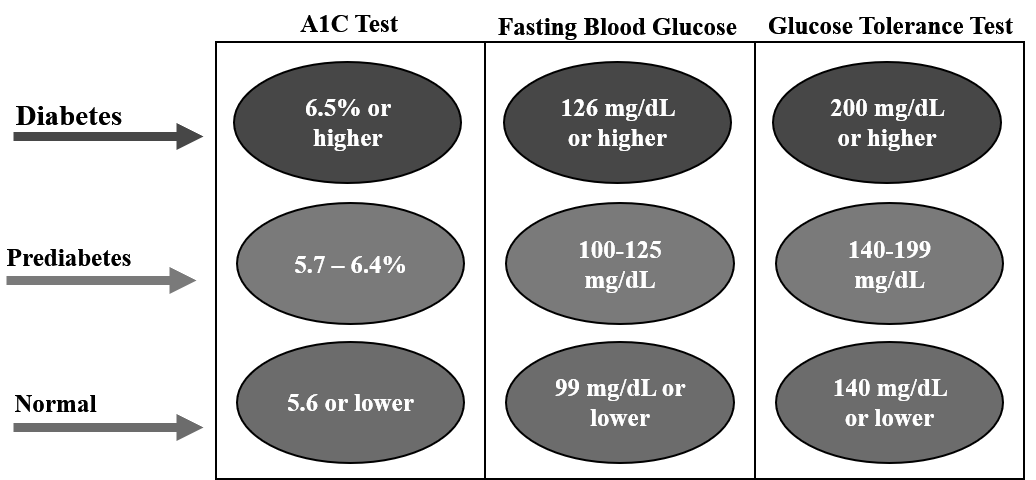
If you’ve ever looked at your lab results and felt unsure what they actually mean, you’re not alone. Blood sugar markers can feel confusing, especially when different tests tell different parts of the story.
The three most common measures used to diagnose normal blood sugar, prediabetes, and diabetes are:
A1C (your average blood sugar over ~3 months)
Fasting blood glucose (your blood sugar after not eating overnight)
Glucose tolerance testing (how your body responds after consuming glucose)
Each one gives important (but incomplete) information on its own. Together, they help paint a clearer picture of what’s happening metabolically.
Why the Numbers Don’t Always Tell the Whole Story
A1C is an average, which can mask daily spikes and crashes
Fasting glucose reflects one moment, not daily patterns
Glucose tolerance testing shows a response, but not a lifestyle context
It’s common for people to:
Have a “normal” A1C but feel exhausted or shaky
Show prediabetes on one test but not another
Feel worse than their lab results suggest
This is why numbers alone rarely explain what’s really happening. It’s also why individualized nutrition support matters.
Frequently Asked
Questions
-
No. Carbohydrates affect blood sugar, but eliminating them isn’t necessary or sustainable. Balance, quality, and pairing matter more than avoidance.
-
Yes. Nutrition plays a central role at every stage of diabetes management and can support daily stability and long-term health.
-
No. We work with people who are diet-controlled, prediabetic, newly diagnosed, or managing diabetes alongside medication.
-
Weight changes may occur, but they are not the primary focus. Blood sugar regulation and metabolic health come first.
-
Many insurance plans cover Medical Nutrition Therapy. We can help you understand your benefits.